
41. Severe right rotator cuff and vertebroscapular pain, Diabetes Mellitus, urinary incontinence, and erectile dysfunction
- Patient: 64-year-old male (Chart No. 260115)
- Chief Complaint: Severe right rotator cuff and vertebroscapular pain; pain is acutely exacerbated by walking or vehicular vibration.
- Associated Symptoms:
- Diabetes Mellitus
- urinary incontinence
- erectile dysfunction
- Past Medical History:
- Myocardial infarction (2005)
- Coronary artery stent placement at Mid-LAD (2006, 2018)
- Multiple rotator cuff repairs (R: 2005/2025, L: 2008)
- Spinal Cord Stimulator (SCS) implantation and battery replacements
- multiple knee arthroscopies,
- Total Knee Replacement
- Type 2 Diabetes Mellitus (diagnosed 1992)
- diabetic neuropathy
- ketoacidosis
- Duodenal rupture repair (2008)
- Recently underwent sciatica ablation (2026).
- Current Medications:
- Polypharmacy including Baqsimi
- Coreg
- Crestor
- Empagliflozin
- Lisinopril
- Metformin
- Mounjaro
- Plavix
- Pregabalin
- Tadalafil
- Trazodone
- Tylenol
- Initial Visit (Jan 15, 2026):
- Achieved complete resolution of all pain post-treatment.
- Counseled on the potential for medication-induced hyperalgesia and proposed a holistic roadmap involving gradual dose reduction, organic nutrition, and continued acupuncture.
- 2nd visit (Jan 17, 2026):
- Presented with mild residual vertebroscapular pain.
- Post-treatment
- All pain resolved.
- Patient demonstrated the ability to perform pain-free stair ambulation, which was previously impossible.
- Patient: 11-year-old female (ID: 251101)
- Chief Complaint: Persistent scapulohumeral pain for 3 months.
- Initial Visit (Nov 1, 2025):
- An aspiring professional softball and basketball player.
- Due to chronic pain, the patient was seriously considering early retirement from her athletic career.
- Achieved complete resolution of all pain.
- Additionally, a significant improvement in visual acuity was observed.
- During a post-treatment catch-ball session with her father, the patient demonstrated athletic performance that exceeded her pre-injury baseline.
- 2nd visit on Jan 19, 2026:
- The patient has developed a proactive approach to health management, choosing to seek immediate treatment rather than enduring discomfort.
- Confirmed complete resolution of all presenting symptoms post-treatment.
43. Chronic low back pain and brain fog
- Patient: 25-year-old male, 251230
- Chief complaint:
- Chronic low back pain (onset late July 2025) resulting in the inability to work.
- At presentation, pain intensity was rated 8.5/10, with significant difficulty in sitting/standing from a chair and ascending/descending stairs.
- Associated symptoms: Brain fog (cognitive clouding).
- Current medications:
- Gabapentin
- Cyclobenzaprine
- Acetaminophen
- Ibuprofen
- Nyquil
- Naproxen
- Past medical history: Pneumonia (2023 and early July 2025).
- Chief complaint at initial appointment scheduling: “I have lower back pain (L5-L7). Pain radiates to the leg and testicles. I have been unable to work for a few months.”
- Impression: The patient, a welder, likely sustained pulmonary and hepatic damage due to inhalation of welding fumes/gases, leading to pneumonia. Subsequent antibiotic therapy for pneumonia is suspected to have caused further hepatic injury.
- Initial visit (December 30, 2025):
- Complete resolution of all pain, no limitations in activities of daily living.
- Clearance of cognitive fog.
- The patient was informed that all currently prescribed/taken medications carry potential adverse effects that may exacerbate pain and associated symptoms (possible iatrogenic worsening). Discontinuation of these medications was recommended whenever feasible. The patient verbalized agreement to discontinue the medications.
- 2nd visit (January 19, 2026):
- Following the initial visit, the patient has voluntarily discontinued all medications and maintained complete alcohol abstinence.
- Despite the cessation of pharmacotherapy, a significant reduction in low back pain was observed. However, functional impairment persists, and the patient is currently unable to return to Work.
- Pre-treatment, the patient experienced pain provocation even while in a seated (sedentary) position.
- Post-Treatment Outcome: Achieved complete resolution of all pain symptoms immediately following the session.
44. Venous reflux, tinnitus, TMJ dysfunction, spinal osteoporosis, and allergic rhinitis
- Patient: 56-year-old female (Chart No. 260119)
- Chief Complaint:
- Venous reflux (Severe radiating pain extending from the knee down to the plantar surface (sole) of the foot. Due to the ambulation-induced pain, the patient experiences acute discomfort during walking, resulting in significant gait impairment.)
- tinnitus
- Temporomandibular Joint (TMJ) dysfunction
- Associated Symptoms:
- Spinal osteoporosis
- allergic rhinitis.
- Past Medical History: History of septoplasty (deviated septum surgery), turbinate reduction, and ear ablation in 2021.
- Current Medications: Flonase nasal spray.
- Initial Visit (Jan 19, 2026):
- Achieved complete resolution of all pain immediately post-treatment.
- Tinnitus in the right ear was fully resolved, while tinnitus in the left ear improved by 95% (5% residual).
- Observed significant enhancement in visual acuity.
- Patient Education & Counseling:
- Advised the patient regarding the high probability of the resumption of menses (menstruation) following treatment to ensure the patient is prepared for this physiological change.
- The patient attributes her lower extremity varicose veins to a genetic predisposition, citing her mother’s similar clinical history. Addressed and corrected the patient’s misconception regarding the strictly hereditary nature of the condition. Explained that while family history exists, the condition is heavily influenced by lifestyle and environmental factors rather than being an unalterable genetic destiny.
- Outlined a comprehensive recovery plan integrating nutritional therapy, targeted supplements, and acupuncture. Emphasized that this multi-modal approach facilitates effective management and fundamental healing of the venous system.
- Provided a comprehensive explanation that all current comorbidities and presenting symptoms are being addressed through an integrated therapeutic approach. Reassured the patient regarding the favorable prognosis of these conditions, emphasizing that a full recovery and effective management are highly attainable through consistent treatment. Strengthened the patient’s commitment to the treatment plan by outlining a clear path to systemic health restoration.
45. Chronic endometriosis, trigeminal neuralgia, brain fog, chronic anxiety disorder, PMS, dysmenorrhea, dyspareunia, cervical lymphadenopathy, and decreased visual acuity
- Patient: 26-year-old female (Chart No. 260127)
- Chief Complaint:
- Chronic endometriosis
- trigeminal neuralgia
- Onset: 11 years ago
- Associated Symptoms:
- Persistent brain fog (11 yrs)
- chronic anxiety disorder (duration of 11-20 yrs)
- PMS
- dysmenorrhea
- intermittent dyspareunia (pain during/after intercourse)
- cervical lymphadenopathy
- decreased visual acuity.
- Past Medical History: Surgical excision of endometriosis in February 2025.
- Initial Visit (Jan 27, 2026):
- Achieved complete resolution of all systemic pain, including trigeminal neuralgia, immediately post-treatment. Only trace discomfort remained in the right lower quadrant.
- Improvement in visual acuity was observed.
- The patient experienced profound intra-treatment somnolence. This is interpreted as a positive therapeutic response, indicating the transition from sympathetic dominance to a stabilized parasympathetic relaxation state.
46. Digital paresthesia, carpal tunnel syndrome, arthralgia, and sciatica
- Patient: 68-year-old male (Chart No. 260127a)
- Chief Complaint: Digital paresthesia (numbness). Although previously diagnosed with Carpal Tunnel Syndrome (CTS), the symptoms persist regardless of wrist exertion or movement.
- Associated Symptoms:
- Knee pain (arthralgia)
- Sciatica
- Pain and discomfort during stair ambulation (Symptoms were particularly exacerbated during stair descent, a common indicator of functional mechanical stress on the lower extremity joints).
- Current Medications (Started Jan 4, 2026):
- Coreg (Carvedilol)
- Prasugrel
- Losartan
- Baby Aspirin
- Past Medical History:
- Myocardial Infarction (MI), 2.5 years ago, with 2 stents placed.
- Right-sided CTS surgery in August 2024; however, the clinical outcome was unsuccessful.
- Recurrent MI on January 4, 2026, followed by the placement of 1 additional stent.
- Initial Visit (Jan 27, 2026):
- Immediately post-treatment, digital paresthesia decreased by 50%.
- Achieved complete resolution of all presenting pain and functional discomfort immediately following the session.
- Patient Education & Counseling:
- Informed the patient that his current cardiovascular regimen may have side effects contributing to peripheral paresthesia.
- Discussed a potential roadmap for the tapering or cessation of certain medications in conjunction with his systemic recovery.
- The patient expressed openness to considering these adjustments.
47. Low back pain, cervicalgia, sciatica, and seasonal allergies
- Patient: 37-year-old female (Chart No. 250117)
- Chief Complaint: Low back pain, cervicalgia, and sciatica.
- Patient Subjective/Objective: Lower back feels stuck and twisted to the right. The patient reported a VAS 6/10 even at rest and while on analgesics. Symptoms included severe gait disturbance and a total inability to maintain an upright posture.
- Associated Symptoms: Seasonal allergies.
- Current Medications: Currently taking Ibuprofen and Acetaminophen with minimal relief.
- Initial Visit (Jan 17, 2025): Achieved complete resolution of all pain and functional impairments immediately post-treatment.
- 2nd visit (Jan 18, 2025): Presented with mild low back pain and hip arthralgia. Symptoms were fully alleviated.
- 3rd visit (Jun 2, 2025): Presented with mild low back pain and hip arthralgia. Symptoms were fully alleviated.
- 4th visit (Jun 4, 2025): Presented with mild low back pain and hip arthralgia. Symptoms were fully alleviated.
- 5th visit (Jun 12, 2025): Presented with mild low back pain. Symptoms were fully alleviated.
- 6th visit (Jan 28, 2025): Patient is currently at 20 weeks of gestation. Presented with 5 weeks of persistent gestational nausea and low back pain. Immediately post-treatment, the patient achieved complete resolution of both pain and nausea.
Other Testimonial Videos Related to Pains

 Subscribe to my channel

Important Notes
Click to schedule a 30-minute Free Consultation
The body’s inherent self-healing capability is a potent force, often underestimated and underappreciated.
At KOSA Acupuncture, we guide patients in identifying and eliminating root causes through tailored suggestions, empowering them to make necessary lifestyle changes for an accelerated healing process.
Our role involves not only providing accurate information but also treating all relevant organs comprehensively, addressing multiple conditions simultaneously.
For a deeper understanding, explore our comprehensive guide on “Everything About Food And Health“.
It’s noteworthy that progress and improvements may vary across different conditions.
At KOSA Acupuncture, our unwavering objective is to expedite the healing process, aiming for patients to regain optimal health promptly. This success is evidenced by a high rate of patients achieving a state where reliance on drugs, medications, and regular medical consultations becomes unnecessary.
Choosing KOSA Acupuncture entails shedding pain, discomfort, reliance on drugs, and excess weight. Our commitment is to guide patients toward a healthier, drug-free lifestyle with nothing to lose but these burdens.
A Brief History of KOSA Acupuncture
Click to schedule a 30-minute Free Consultation
While acupuncture boasts a rich history spanning thousands of years, the full utilization of its underlying theory, encompassing Yin, Yang, and the Five Elements, remained elusive for much of that time.
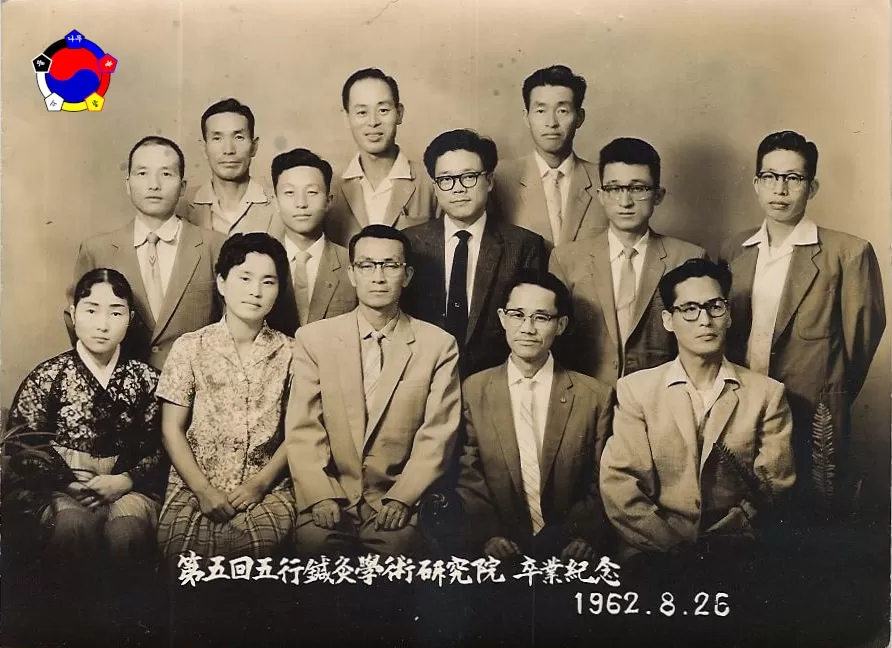
Approximately 400 years ago, Saahm, an ascetic with roots in Korea, made significant contributions by formulating key theories. Regrettably, this knowledge was lost until the early 1950s when the esteemed Great Great Master Rhee rediscovered Saahm’s book. He dedicated himself to studying, treating patients, and passing on this invaluable wisdom to his apprentices.
The mantle of knowledge was then passed to The Great Master Kim, succeeding his father, who not only preserved but further enriched the profound work of his predecessors. Through meticulous study and practical application, The Great Master Kim demonstrated that Saahm’s thesis was not merely an academic concept but an unparalleled healing system of great efficacy.
정통사암오행침구학회: https://ochim.com/
The inherent healing capacity of the human body surpasses societal perceptions.
Attune yourself to the wisdom of your body, as it possesses the innate ability to self-heal.
One’s status as a patient cannot be solely determined by numerical results on a test.
Click to schedule a 30-minute Free Consultation
-
- https://saahm.net/healing-breakthroughs-with-kosa-acupuncture/
- https://t2m.kr/ewExC